
The traditional academic environment, often characterized by rigid schedules and high-pressure expectations, is undergoing a profound transformation as educators recognize the inseparable link between mental well-being and learning. In response to the growing need for proactive mental health support within educational settings, innovative models are emerging to provide students with the tools they need to navigate emotional and social challenges. One such pioneering effort is taking root in the Palm Springs Unified School District (PSUSD), where a new wellness center at Cahuilla Elementary School is set to become the fourth and final elementary facility funded by the community-supported Measure J. Championed by The Foundation for PSUSD, this initiative represents a significant shift from reactive disciplinary measures to a supportive, preventive framework. These centers are designed not as an occasional resource but as an integrated part of the daily school experience, aiming to equip students with self-regulation skills from an early age and reshape the very definition of a supportive learning environment.
Designing a Sanctuary for Student Well-Being
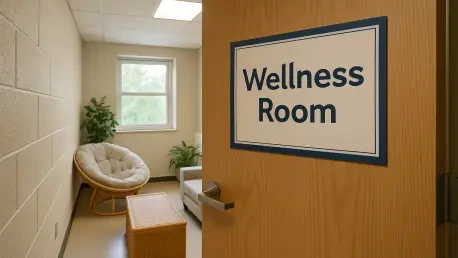
The core philosophy behind these wellness centers is the intentional creation of a sanctuary that stands in stark contrast to the institutional feel of a typical classroom. The project’s vision involves transforming standard, often sterile spaces—defined by harsh fluorescent lighting and uninviting gray furniture—into environments that feel more like a comfortable, welcoming living room. This is achieved through thoughtful design choices, including soft, warm lighting, comfortable couches, and the inclusion of natural elements like plants to create a calming atmosphere. The goal is to build a safe, easily accessible space where students can go to decompress, process their emotions, or simply take a quiet moment for themselves. Critically, access is designed to be low-barrier; students can visit a center at any point during school hours without needing to provide a specific reason or justification. This approach actively works to destigmatize help-seeking behavior, encouraging students to proactively manage their feelings before they escalate. The centers are stocked with various resources, such as tactile fidget toys and calming activities, further empowering students to find what works best for their individual needs.
Measuring Impact and Addressing Concerns
The implementation of these wellness centers has been met with significant student engagement, demonstrating a clear and present need for such resources. Data from existing centers shows that a typical campus logs between 30 and 50 student visits per day, with each visit averaging between seven and 15 minutes—a brief but impactful interlude that allows a student to reset before returning to class. A significant state grant has enabled the district to become a pioneer in California by hiring dedicated wellness coaches to staff these centers, ensuring that trained professionals are available to provide guidance. This professional presence is crucial for addressing a primary concern: that students might use the centers simply to avoid classwork. Ellen Goodman, executive director of the foundation, notes that such instances are not viewed as abuse of the system but rather as valuable opportunities. When a student frequently seeks to leave class, it signals a deeper issue, allowing staff to engage directly, identify underlying challenges, and connect the student with appropriate support, whether it is an on-site counselor or telehealth services. While Measure J funded these initial four elementary school centers, the foundation’s vision is much broader, with 16 centers already established across the district and a long-term goal of ensuring every campus has one.
A New Blueprint for Educational Support
The successful establishment and high utilization of these wellness centers provide a powerful testament to the evolving needs of modern students. This initiative demonstrates a clear shift in educational philosophy, moving beyond a sole focus on academic outcomes to embrace a more holistic model that prioritizes the mental and emotional health of the student body. The project serves as a compelling case study, proving that with intentional design and dedicated staffing, schools can create environments that actively foster emotional regulation and resilience. The data on student visits and the anecdotal evidence of positive interventions suggest that these spaces are more than just a passing trend; they represent a fundamental rethinking of the school’s role in a child’s development. By integrating these sanctuaries into the daily fabric of the school day, the district has established a new blueprint for proactive student support that has the potential to influence educational policy and practice far beyond its own boundaries.