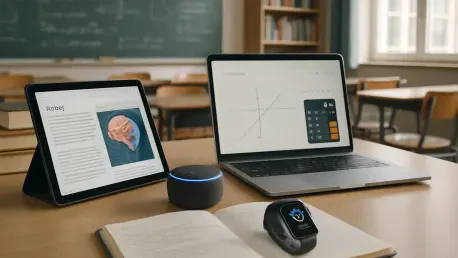

Imagine stepping into a classroom where dusty chalkboards and tattered textbooks are relics of the past, replaced by vibrant interactive screens, virtual reality headsets that transport students to distant worlds, and AI-driven tools that adapt to each learner’s unique needs. This isn’t a glimpse into some distant tomorrow—it’s the reality unfolding in schools across the globe right now. Smart gadgets are not just enhancing education; they’re completely redefining how knowledge is delivered and absorbed. From tablets taking the place of heavy backpacks to wearable tech ensuring students stay focused, these innovations are tearing down long-standing barriers and igniting curiosity in ways previously unimaginable. As technology weaves itself deeper into the fabric of learning, it’s clear that this digital wave is shaping a more personalized and engaging educational landscape. So, how exactly are these tools transforming classrooms, and what does this mean for the next generation of learners? Let’s explore this exciting evolution.
Unlocking Individual Potential Through Tech
The beauty of smart gadgets in education lies in their ability to tailor learning experiences to each student’s unique pace and style, a feat traditional methods could never fully achieve. With tablets and laptops now provided by 88% of U.S. public schools, the shift from rigid, uniform lectures to dynamic, customized lessons is undeniable. AI-powered apps analyze a student’s performance in real time, adjusting the difficulty of exercises to match their strengths or shore up weaknesses. This means a struggling math student isn’t left behind, nor is a quick learner bored by repetition. Instead, each child progresses on a path designed just for them. Moreover, these devices foster a sense of ownership over learning, as students interact with content through touchscreens and intuitive interfaces, making education feel less like a chore and more like a journey they control. The result is a classroom where potential isn’t capped by a one-size-fits-all approach but is instead unleashed through technology’s adaptability.
Beyond personalization, these tools are turning passive listeners into active participants, breathing life into even the driest subjects. Interactive whiteboards transform static lessons into vibrant discussions, where students can brainstorm ideas directly on the screen or solve problems as a team. Group-oriented apps further amplify this by encouraging collaboration, allowing peers to work on projects in real time, even if they’re miles apart. Unlike personal smartphones, which often distract with notifications, these educational gadgets are purpose-built to keep focus on the task at hand. Teachers, too, find value in immediate feedback loops—digital quizzes and polls reveal comprehension levels instantly, letting them pivot strategies before anyone falls through the cracks. This heightened engagement isn’t just about keeping students entertained; it’s about creating an environment where curiosity thrives, and learning becomes a shared, lively experience rather than a solitary slog through textbooks.
Bridging Gaps with Universal Access
One of the most profound impacts of smart gadgets is their power to make education accessible beyond the four walls of a classroom, breaking down barriers of geography and circumstance. No longer must a student be physically present to dive into a lesson or access critical resources. Online platforms and digital tools mean a child in a remote area can explore the same rich content as their urban peers, with videos, e-books, and tutorials at their fingertips any time of day. This is a lifeline for those who find traditional teaching methods challenging or who lack nearby facilities like libraries. Smart devices act as a bridge, delivering instant explanations and support, ensuring that learning doesn’t stop when the school bell rings. The democratization of knowledge through technology offers a promise that education can truly be for everyone, regardless of where they start in life.
However, accessibility isn’t just about reaching far-flung students; it’s also about leveling the playing field for those facing economic or social disadvantages. Digital tools provide a wealth of free or low-cost resources that can substitute for expensive materials, from virtual labs for science experiments to language apps for multilingual learners. For students with disabilities, gadgets like text-to-speech software or customizable interfaces open doors that were once firmly shut, allowing them to engage with content in ways that suit their needs. This push toward equity ensures that quality education isn’t a privilege reserved for the few but a right extended to the many. Still, the challenge remains to ensure every household has the basics—devices and reliable internet—to tap into these benefits. As technology continues to spread, the vision of an inclusive educational system grows closer, driven by gadgets that refuse to let anyone be left behind.
Immersive Experiences Redefine Understanding
Moving beyond the basics, cutting-edge technologies like augmented reality (AR) and virtual reality (VR) are crafting learning experiences that linger in students’ minds long after the lesson ends. Imagine a history class where, instead of flipping through textbook pages, students don VR headsets and stroll through ancient Rome, witnessing gladiator battles or Senate debates as if they were there. Or consider a science session where exploring Mars isn’t a diagram but a 3D journey across its red dunes. These immersive tools turn abstract concepts into tangible adventures, making subjects like physics or biology not just understandable but unforgettable. By engaging multiple senses, AR and VR help cement knowledge in a way that rote memorization never could, sparking a deeper fascination with the world. This isn’t just learning; it’s living the material.
In parallel, wearable tech and AI are adding layers of insight and customization that further elevate the educational experience. Wearables discreetly monitor attention levels or physical activity, alerting educators if a student seems disengaged or overly stressed, thus supporting mental and physical well-being alongside academics. Meanwhile, AI tools, used weekly by over half of students, act as personal tutors, identifying gaps in understanding and curating exercises to address them. A struggling reader might get targeted phonics drills, while an advanced learner tackles complex texts—all within the same platform. This precision ensures that no one slips through unnoticed, and complex topics become approachable for learners at any level. Together, these technologies weave a richer, more responsive educational tapestry, where engagement isn’t forced but naturally inspired by tools that make the impossible feel within reach.
Navigating the Obstacles of Digital Integration
Despite the undeniable promise of smart gadgets, weaving them into the fabric of education comes with significant challenges that demand attention and strategy. The financial burden of acquiring and maintaining these devices often weighs heavily on schools, especially in underfunded districts where budgets are already stretched thin. A single interactive whiteboard or a class set of tablets can cost thousands, and that’s before factoring in repairs or software updates. This creates a stark disparity between schools that can afford the latest tech and those that can’t, risking a widened gap in educational quality. Policymakers and communities must grapple with finding equitable funding solutions to ensure that the benefits of digital tools aren’t reserved for the privileged few but are shared across all learning environments.
Moreover, the digital divide extends beyond school walls, as not every student has access to the internet or personal devices at home to continue learning after hours. This reality can deepen existing inequalities, leaving some children unable to complete assignments or explore resources their peers take for granted. Teacher readiness adds another layer of complexity; many educators haven’t received sufficient training to wield these tools with confidence, which can dilute their impact or lead to frustration. Then there are concerns about privacy, with gadgets collecting sensitive data on students that could be misused if not safeguarded properly. Health risks, like eye strain from prolonged screen time, also loom large, reminding everyone that balance is critical. Addressing these hurdles requires thoughtful planning—robust infrastructure, comprehensive training, and strict data protections—to ensure technology serves as a help, not a hindrance.
Building a Balanced Path Forward
As the tide of digital education rises, a crucial lesson emerges: technology must complement, not overshadow, the timeless elements of teaching. Smart gadgets are powerful, but they’re tools, not replacements for human connection or hands-on learning. Schools need to define clear purposes for adopting tech, ensuring it directly enhances educational outcomes rather than being a shiny distraction. For instance, using VR for a history lesson should deepen understanding, not just dazzle. Equally important is preparing for scenarios where tech fails—be it an internet outage or a crashed device—by maintaining traditional skills as a reliable backup. This balanced mindset equips students for a world where digital solutions might not always be at hand, fostering resilience alongside innovation.
Equally vital is the focus on infrastructure and training to sustain this digital shift without leaving gaps. Reliable internet access and charging stations in schools are non-negotiable to keep learning uninterrupted, while ongoing professional development for teachers ensures they can navigate these tools with ease and creativity. Mixing digital engagement with tactile activities—like science experiments or art projects—prevents over-reliance on screens and nurtures well-rounded growth. Students, too, must be guided to use tech responsibly, prioritizing learning over entertainment. Looking back, the journey of integrating smart gadgets into education showed remarkable strides in accessibility and engagement, yet it demanded vigilance to avoid pitfalls like inequity or health concerns. Moving forward, stakeholders must commit to refining this balance, investing in solutions that make technology a steadfast ally in shaping curious, capable minds for whatever lies ahead.