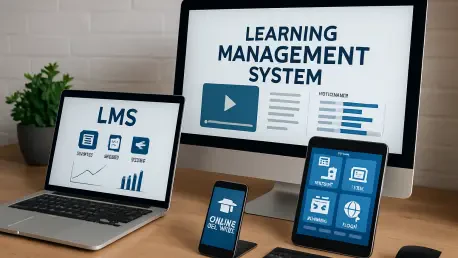

The modern corporate IT department is often caught in a balancing act, tasked with driving strategic innovation while simultaneously managing an ever-growing list of complex internal systems and infrastructure. Among these, a traditional on-premises Learning Management System (LMS) can become a significant drain on resources, demanding constant attention for hardware maintenance, software updates, security patching, and user support. This operational burden not only consumes valuable IT man-hours but also diverts focus from more critical, forward-thinking initiatives that can propel the business forward. The shift toward a Software-as-a-Service (SaaS) model represents more than just a change in technology; it is a fundamental rethinking of how corporate training is delivered and managed, effectively transferring the weight of platform maintenance from the organization to a specialized vendor. This strategic offloading liberates technical teams, allowing them to pivot from reactive problem-solving to proactive value creation, ultimately fostering a more agile and efficient operational environment.
A New Paradigm in Infrastructure Management
One of the most immediate and impactful advantages of migrating to a SaaS LMS is the complete eradication of the need for on-premises physical hardware. Conventional learning platforms necessitate substantial capital investment in servers and networking equipment, which then require dedicated physical space, power, cooling, and, most importantly, ongoing maintenance from skilled IT personnel. These systems come with a lifecycle of costs, from the initial purchase to periodic upgrades and eventual replacement. A cloud-based platform, hosted entirely by the vendor, liberates an organization from these significant financial outlays and logistical complexities. The responsibility for all hardware procurement, updates, and maintenance rests solely with the provider, ensuring the system operates on modern, high-performance equipment without any direct intervention or expense from the client’s IT department. This shift allows capital and human resources previously tied up in managing server racks to be reallocated to support other vital business functions and strategic goals.
Furthermore, the automation of system management and the promise of continuous improvement are core tenets of the SaaS model that significantly reduce IT overhead. With traditional, self-hosted systems, implementing new features or applying critical security patches is a manual, often disruptive process that requires specialized personnel and planned downtime. This can be a costly and time-consuming cycle that pulls focus from other projects. In stark contrast, SaaS LMS vendors manage all software updates centrally and automatically deploy them to their entire client base. This ensures that every customer is always on the latest version of the software, benefiting from new functionalities, improved user interfaces, and the most current security protocols without having to lift a finger. This seamless, continuous delivery model minimizes operational disruptions, lowers the technical burden on the workforce, and guarantees the platform remains secure and feature-rich, all without incurring additional maintenance hours or unforeseen costs.
Redefining Support and Administrative Roles
The administrative workload associated with managing a learning platform is another area where SaaS solutions provide substantial relief for IT departments. In a traditional system, tasks such as managing user accounts, assigning roles, and setting permissions can be complex and time-consuming, often requiring technical expertise and burying smaller teams in administrative tickets. SaaS platforms are typically designed with intuitive, user-friendly administrative controls that empower non-technical staff, such as HR managers or department heads, to handle these day-to-day tasks efficiently. The ability to quickly add, remove, or modify user access without IT intervention streamlines workflows, minimizes delays, and reduces the likelihood of human error that could lead to security vulnerabilities. This decentralization of administrative duties frees up the IT team from handling a constant stream of routine requests, allowing them to focus their skills on more complex and strategic challenges.
Beyond administrative simplification, the burden on an organization’s internal help desk is dramatically lessened through the support structure offered by SaaS providers. In a typical on-premises environment, the internal IT team serves as the first and often only line of support for all user-facing issues, from password resets and login problems to software glitches and content access errors. This can create a significant volume of repetitive support tickets that consume valuable time. SaaS LMS vendors, however, provide dedicated, expert support directly to the end-users. This allows employees to receive faster, more specialized assistance for troubleshooting and issue resolution, improving their overall experience and reducing frustration. Consequently, in-house IT resources are liberated from handling routine support requests, enabling them to concentrate on higher-impact initiatives that directly contribute to the organization’s strategic objectives rather than getting bogged down in repetitive problem-solving.
Gaining Financial and Operational Agility
The financial model inherent to SaaS solutions introduces a level of predictability and stability that is often absent with on-premises systems. Traditional platforms frequently come with a host of unpredictable costs related to emergency hardware repairs, major software version upgrades, and the scaling of infrastructure to meet growing demand. These unforeseen expenses can disrupt budgets and make long-term financial planning a challenge. In contrast, SaaS LMS platforms operate on a clear, subscription-based pricing model, typically billed on a monthly or annual basis. This structure allows organizations to know their exact costs upfront, turning a large, variable capital expenditure (CapEx) into a predictable operational expenditure (OpEx). This simplification of budgeting eliminates the financial risk associated with unexpected system failures or expansion needs, providing greater control and transparency over technology spending and contributing to a healthier bottom line.
This predictable financial model is intrinsically linked to the unparalleled scalability offered by cloud-based solutions. Expanding a traditional, self-hosted system to accommodate a growing workforce or new training initiatives is often a rigid, expensive, and time-consuming endeavor, potentially requiring the purchase of new servers and a lengthy, complex upgrade process managed by IT. SaaS solutions, however, are inherently designed for flexibility and growth. Businesses can effortlessly adjust their subscription plans to add or remove user licenses as their needs change, ensuring the LMS can adapt seamlessly to organizational shifts. This agility not only supports business growth without requiring massive, one-time capital investments but also empowers the modern, distributed workforce. Employees can access training materials from any location with an internet connection, fostering a more flexible and inclusive learning environment while removing the need for complex internal network configurations.
A Strategic Shift Toward Innovation
The decision to adopt a SaaS LMS ultimately represented a fundamental redefinition of the IT department’s role in relation to employee training. By strategically outsourcing the burdensome responsibilities of infrastructure management, routine maintenance, data security, and end-user support, the organization significantly reduced its operational overhead. This move yielded more than just cost savings and predictable budgeting; it was a catalyst for transformation. It freed the internal technology team from the tactical, day-to-day grind of keeping a complex system running. This newfound capacity allowed them to pivot their focus toward higher-value, strategic initiatives that drove genuine business innovation and supported core organizational goals, cementing IT’s position as a forward-thinking partner in the company’s long-term success.