
In today’s rapidly evolving educational landscape, a compelling narrative is emerging from schools that champion a balanced curriculum, demonstrating that the fusion of artistic expression and technological prowess is not just beneficial but essential for cultivating the next generation of innovators and leaders. At Selkirk High School, recent student accomplishments have provided a powerful illustration of this principle in action, showcasing how distinct disciplines can collaboratively foster critical thinking, resilience, and a forward-thinking mindset. These achievements move beyond traditional metrics of academic success, highlighting the profound impact of hands-on, project-based learning. By providing students with opportunities to engage in both creative design and complex digital challenges, the school is building a foundation for futures where adaptability and interdisciplinary skills are paramount. This approach challenges the conventional separation of arts and sciences, proving that creativity is a vital component of technical problem-solving and that analytical rigor can elevate artistic endeavors.
Nurturing Creativity Through Tangible Art
Historical Inspiration Meets Modern Design
A recent project undertaken by S3 creative industries students offered a vibrant example of how historical study can ignite contemporary creativity. Tasked with designing and constructing intricate paper couture outfits for Barbie dolls, the students delved into various historical eras for inspiration, translating bygone fashion sensibilities into tangible, modern creations. This endeavor was far more than a simple arts and crafts exercise; it was a multifaceted educational experience that integrated history, design theory, and material engineering. Students had to research the silhouettes, textiles, and cultural significance of different periods, then innovate with a challenging medium—paper—to replicate complex drapery, tailoring, and ornamentation. The project demanded precision, patience, and a sophisticated understanding of three-dimensional form. This hands-on process solidifies abstract concepts, allowing students to develop a deeper appreciation for the craftsmanship of the past while honing their own problem-solving skills and artistic voice in a unique and engaging context.
The Role of Immersive Learning Environments
The creative process was significantly enhanced by a strategic move beyond the classroom walls. A visit to the National Portrait Gallery in Edinburgh served as a pivotal moment for the students, providing a rich, immersive environment that directly fueled their design projects. Surrounded by centuries of art and history, they could observe firsthand the very fashions and aesthetics they had been studying. This type of experiential learning is invaluable, as it bridges the gap between theoretical knowledge and real-world application, making history feel present and relevant. The gallery atmosphere, with its curated collections and compelling narratives, acted as a powerful catalyst for inspiration, sparking new ideas and deepening the students’ understanding of their chosen historical eras. The success of this excursion underscores the importance of partnerships between educational institutions and cultural organizations. Such collaborations create dynamic learning opportunities that are impossible to replicate within a traditional school setting, fostering a more profound and lasting engagement with the subject matter.
Forging Pathways in the Digital Frontier
Breaking Barriers in Cybersecurity
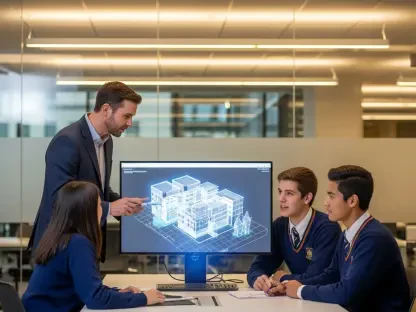
In a striking display of technical acumen, two all-girl teams from the school made a significant impact in the national CyberFirst Girls Competition. This prestigious challenge, organized by GCHQ and the National Cyber Security Centre, is specifically designed to encourage young women to explore careers in technology and address the gender gap in the field. Throughout the demanding week-long contest, both teams demonstrated exceptional focus and determination, tackling complex puzzles related to logic, coding, networking, and cryptography. One team, consisting of Ada Davidson, Holly Craig, Phoebe Lanyon-Oliver, and Ellie Kennedy, achieved a remarkable 6th place finish in Scotland, amassing 10,035 points in a fiercely competitive arena with entries from over 65 schools. Their success is a testament to their analytical abilities and collaborative spirit. The second team also delivered a commendable performance, scoring over 8,000 points. These results not only highlight the students’ individual talents but also challenge outdated stereotypes, proving that the digital world is a domain where young women can excel and lead.
From Competition to Career Aspirations
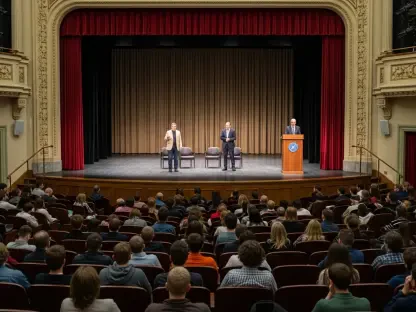
The top-ten finish earned the high-achieving team an exclusive invitation to a formal celebration at the Scottish Parliament, an experience that powerfully connected their recent success to tangible future possibilities. At the event, the students were personally congratulated by local MSP Rachael Hamilton, and they heard from event sponsor MSP Marie McNair, who spoke passionately about the critical need for greater female representation in the cybersecurity sector. This direct engagement with political leaders and industry advocates provided the students with invaluable insight and validation. It transformed their competition victory from a school-level achievement into a recognized contribution to a national priority. Witnessing how the resilience and problem-solving skills they had just demonstrated are highly valued in professional and governmental spheres helped illuminate clear educational and career pathways. Such experiences are crucial in demystifying career options and inspiring students to pursue their interests in the rapidly expanding and critically important digital world.
A Blueprint for Holistic Education
The parallel successes in both paper couture and cybersecurity offered a compelling blueprint for a more holistic and effective educational model. It was clear that these seemingly disparate activities cultivated a shared set of essential skills: creativity, meticulous attention to detail, perseverance through challenges, and the ability to transform an abstract concept into a finished product. The art project required students to think like engineers with paper, while the cyber competition demanded creative problem-solving akin to an artist finding a novel perspective. This intersection suggested that the most effective preparation for the future did not lie in forcing students to choose between the arts and sciences, but in encouraging them to embrace both. The students’ achievements demonstrated that a curriculum rich in both creative and technical challenges was instrumental in building well-rounded, adaptable individuals who were prepared to innovate in a world where disciplines increasingly overlap and collaborate.