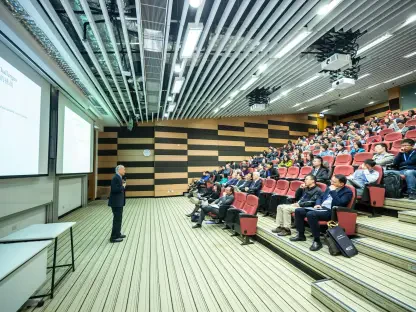

The traditional lecture hall, a cornerstone of education for centuries, is undergoing a profound and technology-driven reinvention that promises to reshape learning for generations to come. At the heart of this transformation is the flipped classroom, a pedagogical model that inverts the conventional structure of teaching by delivering instructional content outside of class and using in-person time for collaborative, application-based learning. This approach is not merely a novel trend but the engine behind a rapidly expanding global market. As educational institutions and corporate training departments seek more effective, engaging, and personalized learning experiences, the flipped model has emerged as a powerful solution. Its growing adoption is fueling a significant economic expansion, reflecting a fundamental shift in how knowledge is imparted and absorbed in the digital age. This analysis explores the financial trajectory, intricate structure, and dynamic forces propelling the Flipped Classroom Market toward a multi-billion dollar valuation, signaling a definitive move away from passive learning and toward active, student-centered engagement.
A New Era of Educational Economics
The financial projections for the Flipped Classroom Market underscore a powerful and sustained expansion, mirroring a global shift toward technology-infused educational frameworks. The market’s valuation stood at a substantial $1.56 billion in 2024, a figure that highlights the widespread integration of this innovative teaching methodology into mainstream education and corporate training. This is not a temporary surge but a clear indicator of a long-term growth trajectory. Forecasts show the market expanding to $1.74 billion in 2025 and continuing its impressive climb to a projected value of $5.2 billion by 2035. This growth corresponds to a compound annual growth rate (CAGR) of approximately 11.6% over the forecast period, a testament to the escalating adoption of the model and the powerful market forces behind it. This impressive financial momentum signifies strong investor confidence and institutional commitment to building more resilient, flexible, and effective learning ecosystems for the future.
To understand the market’s robust growth, it is essential to examine its multifaceted structure, which is composed of interconnected segments. Technologically, the ecosystem is supported by a diverse suite of tools, including foundational Learning Management Systems (LMS) for content delivery, Interactive Whiteboards for dynamic classroom collaboration, specialized Educational Apps for targeted learning, and a host of Video-Based Learning Tools. In terms of application, the model’s flexibility allows it to be effectively implemented across various sectors, from K-12 and higher education, where it fosters critical thinking, to corporate training and professional development, where it enhances skill retention and application. The end-users—students, educators, and institutions—each derive unique benefits, from personalized pacing to improved learning outcomes. Furthermore, the market is segmented by deployment type, with cloud-based solutions leading the way due to their inherent scalability, cost-effectiveness, and ease of access, which became particularly vital during the global transition to remote work and learning. While less prevalent, on-premise solutions continue to serve institutions with specific requirements for data security and control.
Catalysts and Challenges Shaping the Market
The primary engine driving the market’s expansion is the profound and accelerating integration of technology within the education sector. This technological wave is responding to a growing demand for personalized and interactive learning experiences that move beyond the limitations of the traditional one-size-fits-all classroom. The flipped model directly addresses this need, empowering learners to engage with instructional material at their own pace while transforming classroom time into a dynamic hub for problem-solving, collaborative projects, and direct interaction with instructors. This pedagogical shift is further enabled by the global increase in digital literacy and the expanding reach of high-speed internet, which have made rich online educational resources more accessible than ever before. The COVID-19 pandemic served as an unprecedented catalyst, forcing educational and corporate institutions to rapidly adopt digital solutions and thereby demonstrating the resilience and effectiveness of blended learning methodologies like the flipped classroom on a massive scale.
Despite its promising trajectory, the Flipped Classroom Market must navigate several significant challenges that could impede its growth. A primary obstacle is the deep-seated institutional and cultural resistance to change. Many educators and administrators, long accustomed to traditional teaching methods, may be hesitant to embrace a new pedagogical approach that requires a fundamental shift in roles and responsibilities. The process of effectively training and upskilling educators to design and implement successful flipped classrooms is both time-consuming and resource-intensive, demanding significant institutional investment. Moreover, infrastructure limitations, particularly in developing regions, present a substantial barrier. Issues such as inconsistent internet connectivity, a lack of access to digital devices for all students, and insufficient technical support can severely hinder market penetration. The creation of high-quality, engaging digital content also remains a considerable hurdle, requiring subject matter expertise, instructional design skills, and financial investment. Finally, persistent concerns over data privacy and the security of student information on cloud-based platforms continue to be a challenge for widespread institutional adoption.
Competitive and Regional Dynamics
The Flipped Classroom Market is characterized by a vibrant and highly competitive landscape, populated by a mix of established technology giants and agile, specialized educational technology firms. Industry leaders such as Blackboard Inc., Google LLC, Microsoft Corporation, and Instructure Inc. are at the forefront, developing comprehensive solutions that include robust Learning Management Systems, interactive platforms, and video creation tools essential for implementing the flipped model. Alongside these major players, companies like Pearson Education, Kahoot!, Smart Technologies, Edpuzzle, and Nearpod offer specialized content and tools that enrich the learning experience. Key competitive strategies in this space revolve around continuous investment in research and development to enhance platform capabilities, particularly through the integration of AI-driven analytics and adaptive learning features. Strategic partnerships and collaborations between technology providers and educational institutions are also critical for market penetration, allowing for product refinement based on real-world feedback and fostering deeper integration into academic curricula.
The adoption and maturity of the flipped classroom model vary significantly across different geographical regions, reflecting diverse levels of technological infrastructure, government investment, and educational policy. North America currently holds the largest share of the market, a dominance driven by high rates of digital adoption in its educational institutions, a sophisticated technological landscape, and supportive government initiatives promoting e-learning. Following closely, Europe stands as another major market, with countries like the United Kingdom and Germany showing significant uptake fueled by strong public support for digital education. The Asia-Pacific region, however, is projected to be the fastest-growing market over the next decade. This rapid expansion is fueled by increasing internet penetration, substantial government investments in digital learning infrastructure, and a rising demand for modern educational methodologies in populous nations such as China and India. Meanwhile, Latin America and the Middle East & Africa are emerging as promising markets where growing awareness of digital learning benefits and ongoing infrastructure improvements are gradually paving the way for wider adoption.
The Foundation for Future Learning
Ultimately, the market’s trajectory was shaped by a convergence of technological innovation and a fundamental reevaluation of pedagogical effectiveness. The persistent demand for more engaging, student-centered learning experiences laid the groundwork, while advancements in digital infrastructure provided the necessary tools for transformation. Key players in the technology and education sectors forged strategic alliances that were instrumental in creating integrated and seamless ecosystems. This period of intense growth and adaptation established the flipped classroom not as a fleeting trend, but as a durable and foundational component of modern education. The challenges faced—from institutional resistance to infrastructure gaps—were met with targeted innovation and policy support, which ultimately strengthened the market’s resilience. These developments collectively set the stage for a future where personalized, adaptive, and immersive learning became the expected standard across global education and corporate training environments.