
The rapid integration of artificial intelligence into the education sector has created a critical tension between the immense potential for a learning revolution and the severe, sophisticated cybersecurity risks it introduces to institutions often least prepared to defend themselves. This technological dualism is forcing educators, administrators, and policymakers to navigate a high-stakes environment where the promise of personalized, efficient educational tools is directly pitted against the urgent need to safeguard the deeply sensitive information of students and staff. As schools rush to adopt AI-powered platforms, they are simultaneously opening new doors for malicious actors, creating a complex challenge that demands a cautious, coordinated, and strategic response to ensure that the future of learning is not built on a foundation of digital vulnerability. The core dilemma is no longer whether to adopt AI, but how to do so without compromising the safety and privacy that are fundamental to any educational setting.
The Escalating Threat Landscape
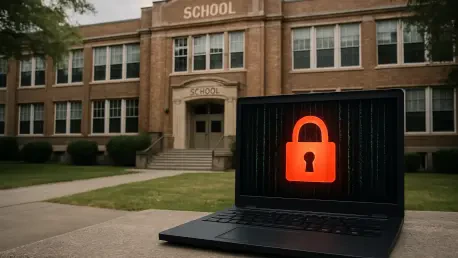
The advent of generative AI has fundamentally and irrevocably altered the nature of cyber threats confronting educational institutions. Previously, security concerns might have revolved around standard phishing emails or poor password hygiene among staff and students. Today, however, malicious actors can leverage artificial intelligence to craft highly sophisticated and convincing scam messages that impeccably mimic the writing style and tone of school principals or district superintendents, making them nearly impossible to distinguish from legitimate communications. This technology effectively serves as a powerful “assistant” for cybercriminals, enabling them to automate and scale their attacks with an efficiency that was once unthinkable. Schools have consequently become prime “soft targets,” not only because they possess a treasure trove of deeply sensitive data—including student addresses, medical histories, and confidential safeguarding notes—but also because they often operate with severely limited IT budgets and outdated technological infrastructure, rendering them ill-equipped to counter these advanced, AI-driven attacks.
The real-world consequences of these sophisticated cyberattacks extend far beyond mere technical disruption or financial loss. When a breach occurs, the impact is intensely personal, leading to the public exposure of highly confidential information that can cause lasting harm to students and their families. While compromised systems can eventually be restored and data recovered, the process of rebuilding the trust of a community is a far more arduous and lengthy endeavor. This critical issue is compounded by a growing “inequality gap” in cybersecurity. Well-funded school districts can afford to invest in advanced protective measures, robust employee training, and specialized security personnel. In contrast, under-resourced institutions are left increasingly vulnerable, creating a dangerous disparity that exacerbates existing inequalities within the education system. The failure to address this gap means that the safety and privacy of students are increasingly dependent on the wealth of their local community, a reality that runs counter to the principles of equitable education.
A Vision for the Smarter Classroom
Despite the formidable security challenges, proponents argue that artificial intelligence is not merely a threat but a transformative tool poised to catalyze an educational revolution. The technology holds the promise of finally delivering on the long-held dream of truly personalized learning, creating an environment where every student can progress at a pace that suits their individual needs and learning style. In this vision, AI serves as a powerful support for teachers rather than a replacement. It can automate routine and time-consuming administrative tasks, such as grading and record-keeping, freeing up educators to focus on more impactful activities like one-on-one student engagement and creative lesson planning. Furthermore, AI tools can help tailor lesson plans to address specific learning gaps or areas of interest for each student, ensuring that the educational experience is both more effective and more engaging, ultimately fostering a deeper and more lasting understanding of the material.
This optimistic outlook is further bolstered by AI’s potential to significantly expand access to high-quality learning materials for a much wider audience. For students in remote or underserved areas, AI-powered platforms can offer educational resources and expert instruction that might otherwise be unavailable. However, this push for rapid AI adoption is met with a healthy and pervasive skepticism rooted in the history of educational technology. Critics point out that despite years of significant financial investment in EdTech, its transformative impact on learning outcomes has often been uneven and disappointing. This history fuels a critical question: Why should AI be any different? The proposed answer from advocates lies in a renewed and stringent focus on accountability. To avoid repeating past mistakes, they argue that new AI systems must be subjected to rigorous, evidence-based testing, operate with complete transparency, and be subject to consistent and independent oversight to ensure their educational value is proven, not just promised.
Navigating the Path Forward
The successful and safe implementation of AI in education is not an automatic outcome but one contingent upon deliberate and coordinated action from multiple stakeholders. A clear consensus has emerged that progress requires a tripartite collaboration between governments, technology companies, and educators themselves. Policymakers are tasked with establishing clear and robust policies that strike a careful balance between fostering innovation and ensuring comprehensive child protection. Technology firms, in turn, bear a profound responsibility to design their AI tools with safety, ethics, and privacy at the forefront, rather than treating them as afterthoughts. Finally, schools and educators require adequate time, targeted training, and unambiguous guidance to understand and effectively manage the complex technologies being introduced into their classrooms. A dangerous disconnect persists in the current environment, where the pressure to adopt new AI tools is mounting rapidly, while the regulatory frameworks and safety standards for their use are still in their infancy.
Ultimately, the education sector found itself at a critical juncture, facing both immense opportunity and immediate, tangible risk from artificial intelligence. The cybersecurity threat was not a future hypothetical but a present and evolving danger, with AI-powered tools actively making attacks more precise, believable, and scalable. The challenge for educational leaders was not to halt technological progress but to adopt a more measured and cautious approach that prioritized student safety above all else. Every new AI tool integrated into a school’s network—each new login, database, or third-party connection—created another potential vulnerability. Therefore, the core challenge became one of slowing the pace of adoption just enough to implement necessary safeguards, establish clear policies, and ensure that educators were fully prepared. The fundamental question remained for every school: Could the immense potential of AI have been harnessed without putting the safety and privacy of students in jeopardy?