President Joe Biden recently unveiled a significantly diluted version of his original economic plan to rebuild the American middle class, before departing for his second major foreign trip as president. “I know we have a historic economic framework,” the President stated, as he went on to announce
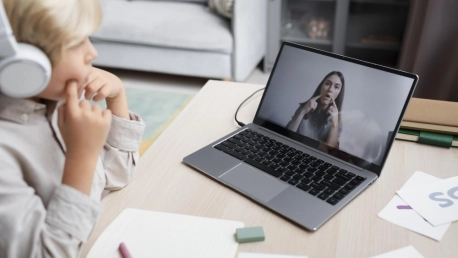
The Pandemic’s Effect on Education The Covid-19 pandemic has locked 90% of the world’s students out of school . After a momentary halt, schools were on damage control, recompensing wasted time and allowing students the opportunity to attend classes from home. Although perturbing during the early
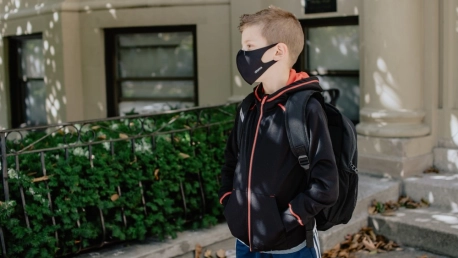
It should come as no surprise that the current school year is facing as many problems as the previous one, if not more. With new variants of the COVID-19 virus spreading rapidly worldwide, worries about providing the best learning environment are also on the rise. Children and students have already
As the COVID-19 pandemic swept through countries across the globe, normal life was suspended in order to resolve the acute healthcare issues from which no one was spared. The pandemic has changed the way people work, live, and learn. Furthermore, with new variants still emerging, the switch to the
The COVID-19 pandemic has seriously affected children’s lives, from education to free time and fun. The number of children suffering from anxiety has increased, and so has the number of children living in multidimensional poverty , with no access to education, healthcare, housing, nutrition,
The past two years have disrupted the normal way of going to school for teachers, educators, and students. The rapid shift came with several unexpected challenges, including the emotional and mental health needs of the new virtual students. How do you meet these needs? Recent studies have