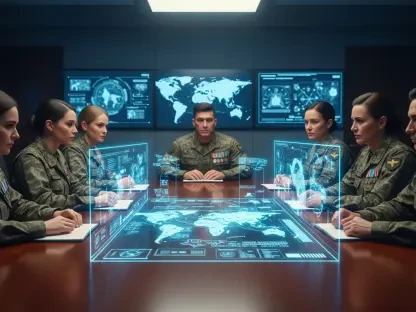

The silence of the orbital vacuum belies the intense, invisible competition currently defining modern geopolitical dominance as nations vie for control over critical satellite infrastructure. To address these challenges, the United States Space Force has initiated a profound strategic transformation in its preparation methodologies through the implementation of the Space Warfighter Operational Readiness Domain, commonly referred to as SWORD. This digital ecosystem represents a foundational shift toward achieving absolute digital superiority, ensuring that Guardians possess the tactical edge required to maintain dominance within increasingly contested and congested orbital environments. Under the expert guidance of Colonel Corey Klopstein, the program places a premium on high-fidelity simulation and immediate operational readiness to counter the rapidly evolving tactics employed by global adversaries. By prioritizing synthetic training, the service avoids the prohibitive costs and logistical constraints of live-fire space drills while maintaining a continuous state of high-alert preparedness.
Integrating Complex Variables in Synthetic Environments
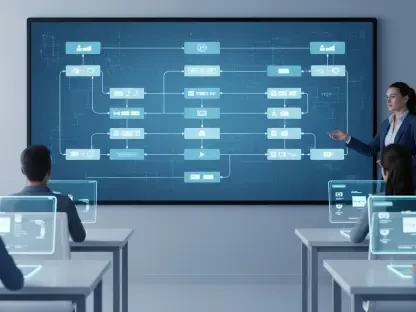
Central to the effectiveness of this initiative is a cloud-enabled digital simulation platform that meticulously integrates a vast array of complex variables including orbital dynamics, electronic warfare, and cyber operations. By transitioning away from a total reliance on scarce physical assets and centralized training facilities, the platform offers a versatile environment where personnel can engage in immersive, high-stakes exercises without leaving their primary duty stations. The practical utility of this system has already been demonstrated during large-scale operations such as the Space Flag exercises, where hundreds of participants utilized the digital architecture to simulate intense engagement scenarios against sophisticated opponents. This shift allows for a level of experimentation and risk-taking that would be impossible with multi-billion-dollar satellites, enabling Guardians to refine their maneuvers in a safe but punishingly realistic digital void. The system effectively bridges the gap between theoretical knowledge and the split-second decision-making required during active conflict.
Building upon this technical foundation, the initiative emphasizes a continuous feedback loop where digital models are rigorously validated against hardware-in-the-loop facilities and live on-orbit assets. This commitment to realism ensures that the synthetic environment remains an accurate reflection of physical reality, preventing the development of training scars that could lead to failure during actual combat operations. A critical component of this accuracy is the close partnership between the training program and the National Space Intelligence Center, which allows for the rapid incorporation of real-time intelligence regarding red threat simulations. As adversarial capabilities emerge or evolve, the training software is updated with remarkable agility, often reflecting new threats within days rather than years. This intelligence-driven approach ensures that the simulated opposition is never static, forcing trainees to adapt to the most current and dangerous tactics utilized by competitors. Consequently, the readiness of the force is directly tethered to the latest global developments, ensuring no technological surprise goes unaddressed.
Scaling Strategic Readiness Through Agile Development
A primary long-term objective of this digital overhaul involves the full transition to a robust cloud-based infrastructure that supports the backyard range concept. This decentralized model allows Guardians to conduct elite-level training from their home stations, significantly increasing the frequency and accessibility of readiness drills without the need for expensive travel or temporary duty assignments. By democratizing access to high-end simulation tools, the Space Force fosters a culture of continuous improvement and professional mastery across the entire service. This accessibility is particularly vital as the tempo of space operations accelerates, requiring personnel to maintain peak performance levels at all times. Moreover, the decentralized nature of the platform enhances the resilience of the training pipeline itself, ensuring that readiness activities can continue even if primary command centers are compromised or unavailable. The result is a more flexible and distributed force that can train as it fights, utilizing the same digital interfaces for preparation that they would use for command and control during a localized or global contingency.
To sustain this technological momentum, the Space Force has adopted an unconventional procurement strategy characterized by agile acquisition cycles spanning only ten to twelve months. This streamlined approach allows the service to fill critical training gaps quickly and ensures the platform remains at the cutting edge of military technology by integrating the latest commercial innovations and software patches. By bypassing the traditional, multi-year defense acquisition process, the program maintains a pace of development that mirrors the private sector’s rapid innovation cycles. This agility is essential in a domain where the technological half-life is increasingly short and where software-defined capabilities often outweigh hardware specifications. Furthermore, the reliance on digital engineering and modular software architecture enables the seamless integration of new mission sets as they arise, whether those involve satellite servicing, debris mitigation, or advanced defensive counter-space maneuvers. This proactive stance on procurement guarantees that the infrastructure supporting national security remains as dynamic as the orbital environment it is designed to protect.
Strategic Outcomes for National Orbital Security
The implementation of sophisticated digital training environments has successfully transformed the way orbital defenders prepare for the complexities of modern conflict. By synthesizing data-driven simulation with agile procurement and intelligence-backed scenarios, defense leadership established a cohesive narrative of readiness that addressed both current and emerging threats. This initiative reflected a broader trend toward digital engineering and decentralized operations, which ensured that personnel remained equipped to navigate and control the multi-domain challenges found in the space environment. Looking forward, the focus must now shift toward expanding these synthetic capabilities to include cross-service integration, allowing for joint maneuvers that involve air, sea, and land components within the same digital theater. Stakeholders should prioritize the standardization of data protocols to facilitate even faster intelligence integration and broader accessibility across the Department of Defense. Maintaining this proactive stance on innovation remains the only viable path to securing space superiority in an era defined by unprecedented global competition and technological parity.