
Imagine a workplace where leaders can instantly understand not just how employees are performing, but also how they feel about their roles, and use that insight to drive meaningful change. In the ever-evolving business landscape, organizations are racing to find tools that streamline workforce management while boosting productivity. AI talent management software has emerged as a transformative force, knitting together the often-separated threads of employee engagement and performance metrics. This technology offers a unified lens through which HR teams can view their workforce, breaking down barriers that have long hindered a complete picture. By blending sentiment data with measurable outcomes, AI empowers decision-makers to act with precision, turning raw numbers into strategies that nurture both individuals and business goals. This isn’t just a trend; it’s a shift toward a smarter, more connected approach to human resources.
Breaking Down Traditional Barriers
Unraveling the Engagement-Performance Disconnect
For years, a persistent divide has plagued talent management, with engagement and performance data existing in separate spheres. Engagement, often gathered through surveys or recognition programs, captures the emotional pulse of a workforce—how connected or valued employees feel. Performance, on the other hand, hinges on concrete results like goal attainment and review scores, tracked through structured systems. These two vital components rarely intersected due to differing data models and timelines, leaving HR teams to piece together fragmented insights. The result? Delayed responses to issues like disengagement or underperformance, often addressed only after problems became glaring. AI talent software steps in as a unifier, merging these streams into one cohesive platform that reveals the bigger picture, allowing leaders to tackle challenges before they escalate.
The Cost of Siloed Systems
This historical separation hasn’t just been inconvenient; it’s been costly. When engagement feedback sits in one corner and performance stats in another, managers lack the context to make informed calls. Imagine spotting a dip in productivity but having no clue if it’s tied to low morale because the data isn’t linked. Such gaps lead to reactive fixes rather than preventive strategies, draining time and resources. Manual efforts to reconcile these datasets often fall short, riddled with human error or incomplete analysis. Worse, the delay in connecting the dots can erode trust, as employees feel unheard or unsupported. AI-driven solutions eliminate this struggle by automating integration, ensuring that every piece of information—from a survey response to a quarterly review—fuels a clearer understanding of workforce dynamics. This shift marks a move away from guesswork toward precision.
Revolutionizing HR with AI Integration
Merging Data for Strategic Insight
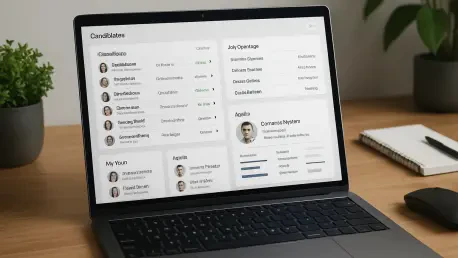
Enter AI talent management software, a game-changer that fuses engagement signals with performance outcomes to create actionable intelligence. Think of survey responses about workplace satisfaction sitting alongside goal progress reports, analyzed together to spot trends. This technology doesn’t just compile data; it deciphers it, cutting through complexity to highlight patterns that might otherwise slip through the cracks. For HR teams, this means less time wrestling with spreadsheets and more time crafting solutions. A drop in sentiment can now be cross-referenced with output metrics, revealing whether it’s a fluke or a warning sign. By enabling this seamless connection, AI shifts the focus from merely collecting information to using it strategically, helping organizations stay ahead of potential pitfalls while fostering a more engaged workforce.
Empowering Proactive Leadership
Beyond simplifying data, AI talent software equips leaders to act before issues snowball. Historically, HR interventions often came too late, triggered only by obvious red flags like turnover spikes. With integrated metrics, subtle shifts—say, a team’s declining recognition activity paired with missed targets—can prompt early support. This proactive stance changes the game, allowing managers to offer coaching or resources at the right moment. Moreover, the technology provides a window into what drives success, showing how positive engagement correlates with stronger results. Leaders can then replicate those conditions across teams. This forward-thinking approach not only curbs problems but also builds a culture of continuous improvement, where data doesn’t just inform decisions but inspires confidence in making them. AI, in this sense, becomes a trusted partner in navigating workforce challenges.
Tangible Impacts and Essential Capabilities
Real-World Advantages of a Unified Approach
The benefits of combining engagement and performance metrics through AI are far from theoretical; they play out in measurable ways every day. Consider a scenario where a dip in employee sentiment, flagged by real-time surveys, is paired with stagnating performance data. Leaders can step in swiftly with targeted support—perhaps a one-on-one chat or workload adjustment—before productivity takes a deeper hit. Similarly, high-potential talent can be nurtured more effectively when feedback and achievement trends are viewed together, paving the way for tailored development plans. On a broader scale, aligning team efforts with company objectives becomes smoother as managers gain clarity on priorities and pain points. These examples highlight how AI transforms raw data into a roadmap for action, directly impacting both individual growth and organizational success with precision.
Must-Have Features for Maximum Effectiveness
To fully harness these advantages, AI talent software must come equipped with the right tools. Real-time pulse surveys are a cornerstone, offering a constant read on employee mood without overwhelming staff. Add to that AI-generated summaries of feedback, which distill sprawling responses into clear takeaways, saving hours of manual review. Recognition workflows also play a key role, reinforcing positive behaviors by celebrating wins in a visible way. Equally critical are guided performance tools that streamline reviews and goal tracking, ensuring accountability without added complexity. When these elements live in a single platform, they create a full-spectrum view of the employee journey, making it easier for HR teams to connect engagement with outcomes. Choosing software with these capabilities ensures not just adoption but genuine impact, simplifying processes while amplifying results.
Looking Ahead to Smarter Workforce Strategies
Measuring Success Through Key Indicators
Reflecting on the journey, the adoption of AI talent software marked a turning point for many organizations striving to harmonize engagement and performance insights. Success was evident in metrics like higher review completion rates, showing employees felt more invested in the process. Improved performance trends and stronger retention in critical roles also emerged as proof points, indicating that timely support made a real difference. These indicators painted a picture of a workforce better aligned with business goals, where turnover costs dropped because people felt seen and valued. AI’s ability to streamline data into actionable steps freed up leaders to focus on strategy rather than sifting through disconnected reports, reshaping how talent was managed with lasting efficiency.
Building on a Foundation of Innovation
As companies looked back, the integration of these systems laid a robust groundwork for future growth. The next steps involved refining AI tools to predict trends even more accurately, perhaps by incorporating broader data like industry benchmarks. Exploring ways to personalize employee experiences further—using insights to tailor career paths—stood out as a promising avenue. Additionally, fostering a mindset of continuous feedback within teams could amplify the software’s impact, ensuring data wasn’t just collected but lived through daily interactions. Embracing these possibilities meant not just solving yesterday’s challenges but anticipating tomorrow’s, keeping organizations agile in a competitive landscape. This evolution underscored a commitment to leveraging technology for human-centric outcomes, setting a new standard for workforce excellence.